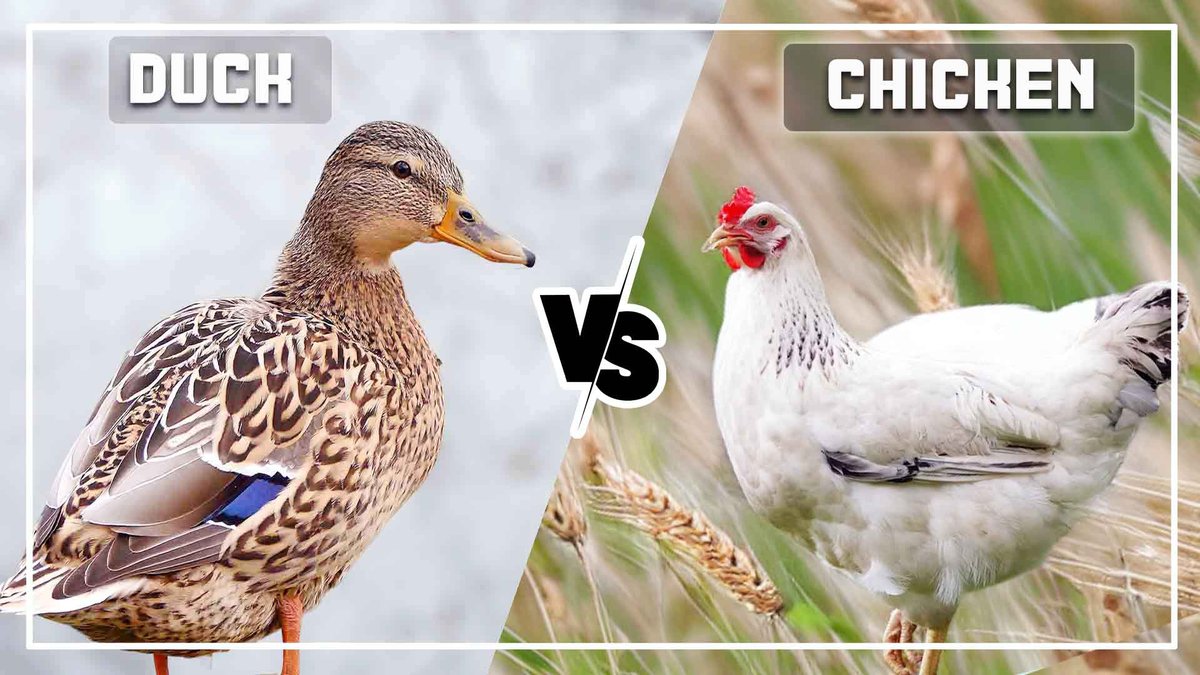
In a world clamoring for conformity and quick judgments, two seemingly simple children's tales offer surprisingly profound insights into our own growth. This Comparative Study: Chicken Little vs. The Ugly Duckling delves into their shared journey of self-discovery, revealing timeless lessons that resonate whether you're five or fifty-five. You might think you know these stories, but scratch beneath the surface, and you'll find powerful allegories for navigating misinformation, societal pressure, and the often-bumpy road to self-acceptance.
We’re not just talking about fables here; we're exploring blueprints for understanding ourselves and thriving amidst external noise.
At a Glance: Unpacking Timeless Wisdom
Before we dive deep, here’s what these classic narratives teach us about finding our way in the world:
- Chicken Little: Highlights the critical importance of fact-checking, careful observation, and independent thought in a world full of easily spread misinformation.
- The Ugly Duckling: Champions the power of self-acceptance, embracing uniqueness, and persevering through rejection to discover one's true identity and worth.
- Shared Ground: Both stories underscore the universal human experience of grappling with identity and overcoming external pressures on the path to self-discovery.
- Key Differences: Chicken Little's journey is a cautionary tale about external misinterpretation, while The Ugly Duckling's is a heartwarming saga of overcoming internal self-doubt and societal judgment.
- Enduring Relevance: These tales are not just for bedtime; they equip us with tools for critical thinking, resilience, and radical self-love in modern life.
The Acorn and the Alarm: Deconstructing Chicken Little's Panic
Let’s start with the one who convinced an entire barnyard the sky was falling. Chicken Little's story, often told with a dash of dark humor depending on the version, kicks off with a simple event: an acorn drops, hitting our feathered protagonist on the head. What follows isn isn't a moment of reflection, but a leap to a terrifying, sky-high conclusion.
"The sky is falling!" she squawks, and off she runs, gathering a growing entourage of increasingly anxious animals. This isn't just a silly tale; it's a stark, almost uncomfortably relevant, allegory for how easily fear can spread and how quickly critical thinking can evaporate in the face of perceived crisis.
The Perils of Misinterpretation: When Belief Trumps Evidence
Chicken Little’s initial error wasn't malice; it was misinterpretation. She felt something, attributed it to the most dramatic possible cause, and then failed to question her own conclusion. This simple act opens a Pandora’s Box of pitfalls we face every day:
- Jumping to Conclusions: How often do we form strong opinions or make rash decisions based on incomplete or misunderstood information? Chicken Little embodies this impulse perfectly. She didn't check for an acorn, she didn't look up, she just reacted.
- Blind Acceptance of Misinformation: Her friends, from Henny Penny to Turkey Lurkey, don't ask for proof. They see her panic, hear her conviction, and assume she knows what she’s talking about. This highlights how easily we can fall prey to the "bandwagon effect" or assume authority where there is none. In a digital age, understanding how to navigate information, verify sources, and resist the urge to spread unverified claims is more crucial than ever. This is a clear call for developing robust critical thinking skills.
- The Power of Fear and Panic: Fear is a potent, contagious emotion. Chicken Little's panic is the fuel that drives the story, escalating a non-event into a widespread crisis. It shows how collective anxiety can override rational thought, leading groups down dangerous paths.
Implicit Lessons: Cultivating a Mind for Truth
While Chicken Little's narrative often ends abruptly or disastrously, its value lies not just in the cautionary tale, but in the implicit guidance it offers. It nudges us to consider:
- The Necessity of Critical Thinking and Fact-Checking: Before you react, pause. Before you share, verify. Chicken Little's story is a foundational lesson in skepticism – not cynicism, but a healthy questioning that seeks evidence and understanding. Imagine if just one animal had asked, "Show me the falling sky, Chicken Little?"
- Careful Observation and Rational Judgment: What truly happened? An acorn fell. The sky, demonstrably, remained firmly in place. The story teaches us to observe our surroundings carefully and apply rational judgment, rather than succumbing to emotional impulses.
- Responsibility for Actions (and Words): While often depicted as innocent in her alarm, Chicken Little's actions have consequences for her community. Her story indirectly suggests that we bear a responsibility for the information we spread and the panic we might inadvertently incite. Understanding the impact of misinformation is vital for informed citizenship.
In essence, Chicken Little’s journey isn't one of traditional self-discovery in the sense of personal growth, but rather a discovery of how not to navigate the world, offering a roadmap for cultivating a more discerning and responsible self.
The Swan Among Ducks: Embracing The Ugly Duckling's True Self
From the frantic flight of Chicken Little, we pivot to the quiet, heartbreaking struggle of the Ugly Duckling. Hans Christian Andersen's timeless tale takes us on a profoundly different journey of self-discovery—one rooted in identity, appearance, and the crushing weight of societal judgment.
Born different, ostracized from the very moment he hatches, the Ugly Duckling's early life is a masterclass in rejection. He's not just "different," he's "ugly"—a label assigned to him by his own family and community. This isn't a problem of misinterpretation like Chicken Little's; it's a deeply personal battle against a world that simply doesn't understand him.
The Bruising Blows of External Judgment
The Ugly Duckling's experience is a painful mirror reflecting common human struggles:
- The Damaging Effects of Societal Expectations and Pressure to Conform: From his first moments, the duckling is judged against the standard of "duckness." His long neck, gangly legs, and grey feathers are deviations, making him an outcast. This powerfully illustrates how much pressure we face to fit in, to look a certain way, to behave according to others' norms, often stifling our true selves in the process.
- The Pain of Rejection and Loneliness: The story's emotional core lies in the duckling's profound isolation. He's pecked, pushed, laughed at, and driven away. This raw depiction of loneliness and rejection speaks to anyone who has ever felt like an outsider, demonstrating the deep emotional toll it takes. Many of us grapple with this, seeking acceptance and often feeling lost when we don't find it.
- The Power of Self-Acceptance and Self-Love: The turning point in the Ugly Duckling's story isn't when others suddenly decide he's beautiful. It's when he finally sees his own reflection among a flock of majestic swans, realizing he was never meant to be a duck at all. This revelation is profound: his worth and beauty were inherent, independent of others' opinions, waiting for his own eyes to recognize them. It’s a powerful testament to the journey of the journey to self-acceptance.
Valuable Lessons: Nurturing Your Inner Swan
The Ugly Duckling offers a blueprint for navigating life's judgments and discovering one's authentic self:
- Embracing Individuality and Difference: Your uniqueness isn't a flaw; it's your strength. The duckling's story encourages us to celebrate what makes us distinct, rather than trying to erase it. True self-discovery often begins when we stop trying to be someone else and start to be authentically ourselves. This is at the heart of embracing individuality.
- Perseverance in the Face of Adversity: Despite constant ridicule and hardship, the duckling keeps going. He endures harsh winters and cruel rejections, driven by an innate, almost subconscious, urge to find where he belongs. His journey is a powerful reminder that self-discovery is rarely easy, but persistence pays off. It's a fundamental lesson in overcoming adversity.
- The Importance of Self-Belief: Ultimately, the duckling’s transformation isn't just physical; it's psychological. He finally sees himself for who he truly is, not through the eyes of his tormentors, but through the mirror of his own kind. This teaches us that inner beauty and self-worth are independent of external appearances or the approval of others. Believing in yourself, even when no one else does, is the cornerstone of true self-discovery.
The Ugly Duckling's narrative is a deeply personal and emotionally resonant tale of finding your authentic self, proving that sometimes, the "ugly" parts of us are simply misunderstood reflections of a different, more beautiful truth.
Parallels and Pivots: A Comparative Lens on Self-Discovery
When we place Chicken Little and The Ugly Duckling side-by-side, we see how two vastly different narratives can converge on the universal human theme of self-discovery, yet offer distinct pathways and lessons. Both stories feature protagonists grappling with identity, embarking on journeys, and facing external pressures—but their core struggles and resolutions diverge significantly.
Shared Threads: The Universal Quest
- Identity in Flux: Both Chicken Little (as someone reacting to a perceived truth) and The Ugly Duckling (as someone grappling with his appearance) are in a state of flux regarding their identity. They are trying to make sense of their place in the world, albeit in very different ways.
- Journeys of Exposure: Each character leaves their initial comfort zone (the barnyard, the duck pond) and undertakes a journey that exposes them to new challenges and perspectives. For Chicken Little, it's a journey of spreading fear; for the Ugly Duckling, it's a journey of seeking acceptance.
- Overcoming External Pressures: Chicken Little battles the external pressure of a perceived cataclysm and the internal pressure to warn everyone. The Ugly Duckling battles the relentless external pressure of societal judgment and the internal pressure of self-doubt it fosters.
Contrasting Narratives: Different Battles, Different Victories
The real magic of a comparative study lies in dissecting the contrasts that amplify each story's unique message:
- Nature of Struggles:
- Chicken Little: Her struggle is largely external and cognitive. It stems from a singular moment of misinterpretation and a subsequent impulsive, uncritical dissemination of that error. Her "problem" is the world as she perceives it and how she reacts to it. It's a failure of observation and rational thought.
- The Ugly Duckling: His struggle is deeply internal and emotional, born from an innate difference that makes him an outcast. His "problem" is the world as it perceives him and how he internalizes that judgment. It's a prolonged battle against societal cruelty and the self-doubt it instills.
- Nature of Resolution:
- Chicken Little: Many versions of Chicken Little's story lack a clear, positive resolution for her. She often falls prey to the fox, or the panic simply dissipates without her truly learning her lesson. There's rarely a moment of self-reflection or growth; it's more a cautionary tale about the consequences of her actions. Her journey is often unfinished, a loop of error.
- The Ugly Duckling: His story culminates in a dramatic, fulfilling, and profoundly personal transformation. The resolution isn't just about finding his kind; it's about seeing himself accurately, accepting his true nature, and finally finding peace and belonging. It’s a journey that completes with self-acceptance.
- Emphasis:
- Chicken Little: The focus is squarely on the consequences of external misinterpretations and the dangers of uncritical thinking. It emphasizes how easily collective delusion can take hold. You, the reader, are meant to learn to be smarter than Chicken Little.
- The Ugly Duckling: The emphasis is on overcoming internal self-doubt forged by external judgment. It champions the idea that true worth is inherent and that perseverance will lead to finding your place. You, the reader, are meant to empathize with the duckling and learn to value yourself.
While both tales serve as allegories for the human experience, Chicken Little cautions against the pitfalls of external reality gone awry, while The Ugly Duckling celebrates the triumph of inner truth over outer perception. The Super Pillar Link on this topic further elaborates on these deeper meanings, exploring Chicken Little and The Ugly Duckling as foundational stories for understanding personal growth.
Beyond the Page: Applying These Lessons to Your Self-Discovery Journey
These stories aren't just quaint relics; they are living guides, offering practical frameworks for personal growth and resilience in your own self-discovery journey. How can you, armed with these insights, navigate your own falling acorns and perceived ugliness?
Cultivating Your Inner Fact-Checker (The Chicken Little Antidote)
In a world saturated with information, becoming your own critical thinker is paramount.
- Question Everything (Politically Neutral): Just because someone says the sky is falling doesn't mean it is. Develop a habit of asking "How do you know?" or "What's the evidence?" This isn't about being confrontational; it's about being informed.
- Seek Multiple Perspectives: Don't rely on a single source of information, especially when it comes to news, opinions, or even personal gossip. Look for different viewpoints to get a more complete picture.
- Pause Before Panicking (or Spreading Panic): Emotional reactions are natural, but acting on them immediately can lead to regret. Before reacting to alarming news or a sudden personal setback, take a breath. Give yourself time to process and evaluate.
- Understand Cognitive Biases: Recognize that your own brain has shortcuts (biases) that can lead you astray, just like Chicken Little's quick jump to conclusions. Awareness of biases like confirmation bias (seeking information that confirms what you already believe) can help you guard against them.
Nurturing Your Authentic Self (The Ugly Duckling's Path to Peace)
The Ugly Duckling's journey teaches us that true peace comes from within, not from external validation.
- Identify Your Unique Strengths and Passions: What makes you different? What do you genuinely love to do, even if it's not "mainstream"? These are your "swan feathers." Lean into them. When you embrace what makes you unique, you move closer to self-acceptance.
- Challenge Negative Self-Talk: The duckling heard "ugly" so often he likely internalized it. Listen to your inner voice. Is it kind? Is it fair? If not, actively challenge those negative thoughts. Replace them with affirming truths about yourself.
- Seek Your "Flock": The duckling found belonging when he found others like him. While embracing individuality is key, finding a community or individuals who understand, appreciate, and celebrate your unique qualities is invaluable. This doesn't mean abandoning everyone else, but recognizing where you truly belong.
- Practice Self-Compassion: Be as kind to yourself as you would be to a struggling friend. Understand that self-discovery is a process, not a destination, and it's okay to have moments of doubt or struggle.
- Embrace Your Personal Journey: Your timeline is your own. The duckling didn't become a swan overnight, nor did he transform because he forced himself. He grew into it naturally. Your path of self-discovery will unfold at its own pace. Trust the process and celebrate each step, big or small.
Common Questions on the Path of Self-Discovery
Let's address some typical thoughts that arise when considering these stories' profound messages.
"Is Chicken Little's story just about being easily scared?"
Not entirely. While fear is a central motivator, the core lesson extends beyond just being scared to the consequences of acting on unverified fear. It highlights the dangers of impulsivity, poor judgment, and the ripple effect of spreading misinformation without critical assessment. It's a lesson in discernment as much as it is in courage.
"Does The Ugly Duckling mean I just have to wait for my 'swan moment'?"
It's not about passive waiting. The Ugly Duckling's journey is one of perseverance and enduring hardship. While the "swan moment" is a revelation, it's the culmination of an active search for belonging and identity, enduring struggle, and not giving up on himself. It's about self-belief through adversity, not simply waiting for external validation.
"Are these stories still relevant for adults?"
Absolutely. Chicken Little offers a masterclass in media literacy and critical thinking—essential skills in today's digital landscape where misinformation spreads like wildfire. The Ugly Duckling speaks to anyone who has ever felt like an outsider, struggled with self-worth, or yearned for acceptance, regardless of age. Their allegorical power transcends childhood.
"How do these stories help me understand others?"
Chicken Little reminds us that fear and panic can be contagious and that people can genuinely believe and spread falsehoods, often without malicious intent. It fosters empathy for the misinformed while urging discernment. The Ugly Duckling cultivates empathy for those who are different or ostracized, challenging us to look beyond superficial appearances and societal judgments to see inherent worth.
The Enduring Echoes: Your Journey Forward
The narratives of Chicken Little and The Ugly Duckling, though centuries apart in origin, offer a complementary and powerful framework for navigating the complexities of human existence and the ongoing quest for self-discovery.
Chicken Little serves as our internal alarm, urging us to question, to verify, to apply critical thought before accepting or spreading "truths" that might just be acorns falling on our heads. It's a call to intellectual responsibility, reminding us that a discerning mind is our best defense against panic and misinformation.
The Ugly Duckling, on the other hand, is the tender voice of self-acceptance, reassuring us that our unique qualities are not flaws but markers of our true identity. It’s a profound affirmation that belonging often begins with belonging to ourselves, that true beauty radiates from within, and that perseverance through rejection leads us to where we are meant to be.
Your own life is a continuous comparative study, filled with moments that demand both critical assessment and unwavering self-belief. As you move forward, carry the lessons of both these iconic characters with you. Cultivate the wisdom to separate fact from fear, and the courage to embrace your singular, magnificent self, no matter what the world tells you. The sky may or may not be falling, but your inner swan is always waiting to spread its wings.